

ExxonMobil Urges Trump to Stick with Paris Agreement
ExxonMobil is advocating for President-elect Donald Trump to remain in the Paris Agreement, despite his intentions to withdraw from it once again during his recent reelection campaign. A spokesperson from Exxon confirmed their stance in an email sent to ESG Dive, after reports from the Wall Street Journal highlighted the company’s position.
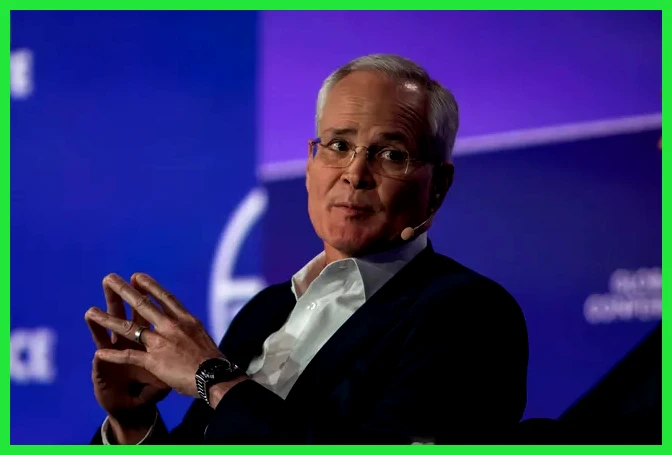
At a recent COP29 event, Exxon CEO Darren Woods emphasized that a second withdrawal of the U.S. from the Paris Agreement would have serious consequences, not only for the nation’s emission reduction efforts but also for worldwide initiatives aimed at fighting climate change. The spokesperson noted that leaving the agreement would deeply impact America’s ability to manage its own emissions effectively.
In the past, Trump withdrew the U.S. from the Paris Agreement during his first term. Before this, Exxon had urged his administration to reconsider that decision, but their requests were ignored. The company, known as the largest publicly traded oil and gas corporation in the U.S., supported President Joe Biden’s decision to rejoin the agreement in 2021 and has reiterated its own commitment to climate goals.
Exxon’s spokesperson stated, “We support policies that balance energy security, affordability, reliability, and environmental care without drastic shifts that can hinder progress.” Woods also pointed out that frequent changes in policies as administrations switch can be counterproductive. He remarked that such instability leads to inefficiency and uncertainty for businesses.
Besides the Paris Agreement, Trump has committed to expanding U.S. energy production and has appointed former House Rep. Lee Zeldin as the next administrator of the Environmental Protection Agency, which is expected to promote a deregulatory agenda.
ExxonMobil has benefited from various initiatives under the Biden administration, including a significant funding for a carbon reduction project in Texas. The company is also working towards achieving net-zero emissions across its operations by 2050 and has formed partnerships to enhance its low-carbon hydrogen production capabilities.
Currently, concerns over the pace of the U.S. energy transition have been raised, with reports indicating that the current trajectory may lead to temperature increases far exceeding Paris Agreement targets. With only a portion of necessary emissions cuts expected by 2030, the urgency of dialogue and action on climate issues remains critical.