

Energy Newsletter Highlights: Climate Challenges Ahead
Good morning! We’re back with the latest in energy news as we observe wildfires burning along the New Jersey border.
Investors are eagerly trying to understand what a potential Donald Trump presidency might mean for the clean energy sector. Many developers are hitting the brakes on their projects while they await clearer direction on U.S. climate policies.
Trump’s election success has cast uncertainty over the UN climate talks in Azerbaijan, where U.S. involvement is seen as vital for establishing new financial goals. At COP29, Exxon’s CEO Darren Woods urged Trump to keep the U.S. in the Paris climate agreement, warning that a withdrawal would diminish the administration’s influence on emissions reduction strategies.
Laurence Tubiana from the European Climate Foundation expressed that while a U.S. policy reversal may not stop global climate efforts, it could cost the country significant economic opportunities.
In today’s newsletter, we’ll explore a recent report indicating that the largest oil and gas companies have not set any targets that align with the Paris Agreement. We also have an opinion piece discussing the financial challenges facing Africa in meeting its climate goals.
Oil and Gas Companies Lag on Climate Targets
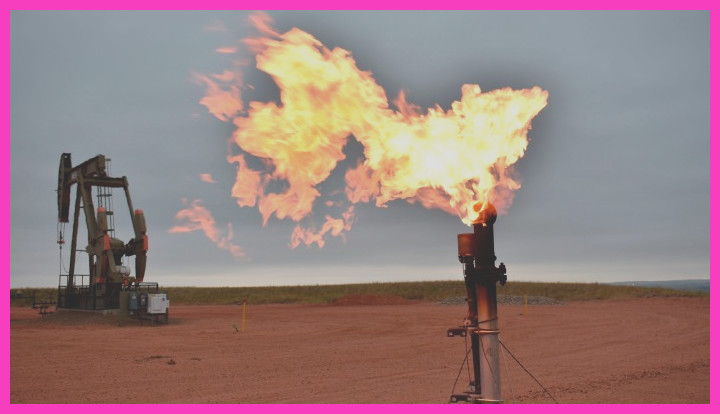
A recent analysis by Carbon Tracker reveals that major oil and gas companies are failing to effectively manage their carbon emissions, with none establishing targets compliant with the Paris Agreement. Among the top 30 producers, there is no comprehensive strategy in place to reduce emissions, particularly methane—one of the most harmful greenhouse gases.
Mike Coffin, a report co-author, noted that progress in tackling the climate crisis has essentially stalled, despite rising global carbon emissions in the fossil fuel sector this year. Current emissions show no signs of declining, signifying a pressing need for effective action.
Furthermore, while major companies have set ambitious targets for reducing methane emissions, they overlook significant sources like midstream gas operations. Only a small percentage of companies have goals for indirect emissions from their products—known as Scope 3 emissions.
With methane emissions hitting a four-year peak last year and further goals being set at previous UN conferences, the situation remains concerning. New measures aimed at addressing methane emissions are on the table, but they face uncertainty as political changes loom.
African Climate Finance in Jeopardy
As COP29 progresses, African negotiators are calling for at least $1.3 trillion per year from wealthier nations to meet their climate commitments. However, private sector investment, which many hope will fill this funding gap, has yet to generate significant support.
The green bond market has seen substantial growth globally, yet Africa represents only a tiny fraction of this market, indicating a persistent lack of private sector interest in regional projects.
Issues with governance and the perceived low returns from some climate initiatives further complicate efforts to attract investment. Private financiers often focus on mitigation, while African officials stress the need for adaptation measures—yet these priorities frequently do not align.
Ultimately, fundamental changes are required. Increased public investment in climate initiatives is essential, along with cooperative support from multilateral development banks, to truly make a difference in Africa’s climate resilience.
Thank you for reading our newsletter. We look forward to providing you with more updates on climate challenges and solutions in future editions!