

Misael Cabrera, currently the esteemed David and Edith Lowell Chair and Director of the School of Mining and Mineral Resources at the University of Arizona, brings a wealth of experience, having formerly directed the Department of Environmental Quality for Arizona. Joining him is Bill Zisch, the J. Steven Whisler Head of Mining Engineering at the Colorado School of Mines, whose extensive background includes high-ranking roles in the mining sector, notably as COO at Argonaut Gold.
As we find ourselves in a whirlwind of rapid technological evolution, mounting global unrest, urgent environmental dilemmas, and the relentless pursuit of sustainable energy, our nation’s trajectory is intricately linked to astute investments in the critical minerals domain. These minerals form the backbone of contemporary technology, underpinning everything from sophisticated defense apparatus to vital medical devices, robust infrastructure, and cutting-edge energy solutions—especially within the green energy sphere. Yet, in this pivotal pursuit of critical mineral self-sufficiency, perhaps our most invaluable asset remains a highly skilled mineral workforce.
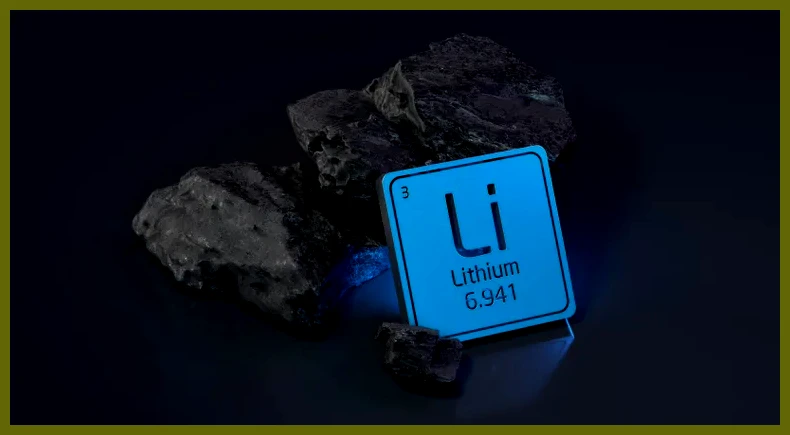
The International Energy Agency projects a staggering increase in demand for various minerals by 2040: a forty-two-fold surge in lithium, twenty-five times more graphite, twenty-one times more cobalt, and nineteen-fold increases in nickel relative to 2020 levels, chasing the goal of clean energy technology proliferation. Echoing this necessity, the Department of Energy’s 2023 Critical Materials Assessment highlights copper’s indispensable role in our energy future, foreseeing the need for the U.S. to double its copper production within the coming three decades. This formidable challenge is exacerbated by the dwindling availability of economically viable deposits, the arduous task of characterizing, permitting, and developing new mining sites, and the urgent requirement to nurture a skilled mineral workforce.
Bridging the Mining Talent Gap
With the demand for skilled professionals within the mining and engineering arenas burgeoning far quicker than the output of educational institutions, the nation grapples with a pressing dilemma: how can we adequately educate and prepare a workforce equipped to tackle the sophisticated demands of a sustainable, tech-augmented mining landscape?
At present, the U.S. hosts a mere 14 mining engineering programs, a decline from 25 as of 1982. Last year, these programs collectively attracted only 590 undergraduate students and produced fewer than 200 graduates, starkly falling short of the industry’s ravenous demand for an annual influx of 600 new mining engineers. Compounding this crisis, an alarming projection indicates that by the decade’s close, nearly half of the U.S. mining workforce—approximately 220,000 professionals—will retire. The current talent pipeline simply does not suffice to replenish the ranks of experienced personnel in mining engineering and related fields.
Modernizing and Marketizing Mining
To cultivate the minerals workforce, educational institutions are articulating a visionary future for mining—one that resonates deeply with students’ values of purpose, community engagement, environmental responsibility, and societal impact. This vision embraces an increasingly sophisticated industry, leveraging autonomous technology, artificial intelligence, real-time analytics, and comprehensive environmental monitoring systems. Such innovations not only enhance operational efficiency and sustainability but also play a pivotal role in reshaping public perceptions of mining, making it a more enticing career path for aspiring engineers and scientists who are passionate about tech and environmental stewardship.
For instance, the integration of streamlined permitting processes with advanced digital tools can optimize project evaluations, facilitating the swift advancement of responsible initiatives while cutting bureaucratic inertia. The widespread implementation of these strategies promises to elevate production capabilities while showcasing to potential students and professionals that the mining sector prioritizes agile, intelligent problem-solving. This evolution makes mining an appealing career option for those eager to contribute meaningfully to the world’s energy and environmental challenges, spotlighting the industry’s dynamic role in furthering global sustainability objectives.
Schools are increasingly weaving these technologies, alongside social and environmental imperatives, into their curricula, providing students with hands-on experiences reflective of the contemporary mining landscape and better equipping them for future careers. The University of Arizona, for example, offers courses such as “Machine Learning for Mining Applications” and “A Balanced Future: Sustainability and Minerals.” Concurrently, the Colorado School of Mines’ curriculum encompasses waste and water management, mine closure, community engagement, and responsible mining, shaping graduates to reconcile scientific and engineering principles with the multifaceted social and environmental impacts of mining.
Legislative Levers for Educational Reform
In recognition of the critical importance of minerals in fostering a sustainable, secure future, the U.S. government has amplified its support for responsible mining and workforce development. This spring, the House of Representatives launched the Critical Mineral Policy Working Group to prioritize domestic mineral supply chains and workforce initiatives. Likewise, the Senate has convened various hearings spotlighting critical minerals, including a Senate Subcommittee on Employment and Workplace Safety hearing directed at strategies for cultivating a skilled workforce. Notably, the recent unanimous Senate approval of the bipartisan Mining Schools Act aims to enhance mining education to meet pressing national and global mineral demands.
The Mining Schools Act endeavors to modernize mining and engineering education through grants aimed at recruitment and incentives for pioneering research and innovative technologies, rendering the field more dynamic and appealing to prospective students. It also stresses the necessity for robust public-private partnerships, along with the establishment of a Professional Development Advisory Board to enhance the quality and relevance of training. These collaboration strategies ensure educational programs are in sync with workforce needs, effectively preparing graduates for the intricate challenges of contemporary mining.
In the context of a clean energy revolution and a volatile geopolitical landscape, adeptly bridging the educational chasm in mining and engineering stands as a crucial pillar for safeguarding America’s technological and ecological future. Persistent investment in innovative educational initiatives, bolstered by vigorous public-private partnerships, is paramount. As the clamor for critical minerals escalates, we urge Congress to prioritize the passage of the bipartisan Mining Schools Act, thereby fortifying the workforce pipeline and ensuring that the U.S. can spearhead global efforts toward a sustainable, flourishing, and secure future.