

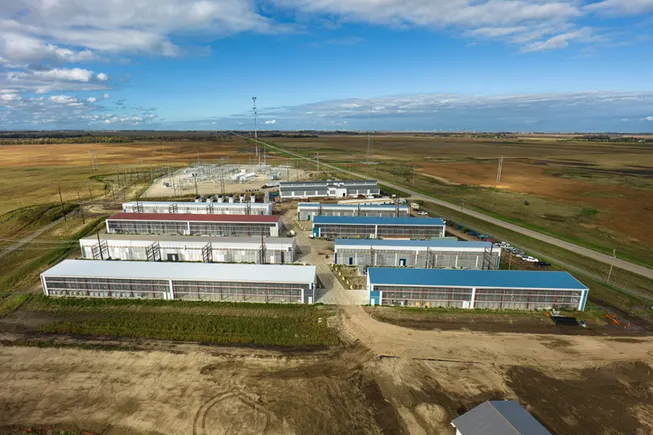
The growing presence of artificial intelligence in society is prompting a call for the same careful planning and operational strategies that were applied to integrating distributed energy resources into the grid. Just as technologies like solar panels and batteries have enhanced grid reliability, AI data centers are now pushing for their role as contributors rather than just consumers of energy.
AI data centers are starting to form their own demand patterns, which can significantly impact the grid and highlight the importance of energy efficiency. These facilities are not just seeking energy; they want to engage in managing grid stress. With the right planning, these high-demand users can function flexibly within the overall system of the grid, contributing to energy management rather than solely relying on power.
To achieve this, we must mirror the successful strategies used for distributed energy. This includes adjusting how we strategize for flexibility in energy use, creating models for energy demand, and promoting collaborative investments in infrastructure. It’s clear that with just a shift in approach, we can improve the role of AI within our energy systems, fostering a more integrated future where both AI systems and communities benefit from the same energy networks.
We are already observing areas where the grid faces challenges and which energy demands are either risky or can lend support. There is an evident trend toward investing in robust infrastructure to strengthen these connections. The choice now is whether to enhance this cooperative approach or let ineffective solutions persist.
Redefining Connection Methods for Flexible Energy Use
It’s insufficient to continue analyzing energy connections under the assumption that demand remains constant. Today’s energy needs fluctuate. Similarly, AI data centers have variable energy profiles that, if managed correctly, can lead to efficiency without sacrificing performance. Utility connections should adapt to acknowledge these variations, integrating updated tools and flexible planning processes. If a site can proactively adapt its demand through software, the grid shouldn’t treat it as inflexible.
Pathways for Co-Location with Storage Solutions
Even as demands change, the desire for self-sufficiency persists, leading to battery installations and other self-managed energy solutions where connection to the grid is slow. However, it’s vital to ensure these solutions help support the grid. Utilities should establish standards that allow for the co-location of energy storage and larger power systems, enabling them to provide valuable grid services.
Setting Standards for New Energy Contributions
Many existing buildings and centers can now also assist the grid, equipped with systems like generators and battery storage. However, there is a need for clearer participation pathways. By revising interconnection rules, we can allow diverse energy-resource categories to contribute to grid stability, focusing on performance rather than limitations.
Aligning Costs with Benefits to Foster Collaboration
Currently, new energy users often bear the full costs of necessary infrastructure enhancements, which discourages those willing to implement flexible designs. Instead, energy authorities should adopt frameworks that distribute costs based on contributions to overall system reliability, recognizing the real impact of energy efficiencies and innovations.
Updating System Stability Assessments
Energy assessments still depend on outdated assumptions, often viewing data center energy needs as constant. In reality, these demands vary greatly. Future planning should require developers to submit diverse energy use scenarios, backed by actual performance data once operational, similar to approaches taken for energy generation.
Encouraging a Flexible Energy Future
To attract private investment, clear guidelines about value creation within the energy market are essential. Flexibility should be recognized as a critical component of infrastructure, not just for its usage but for its performance. Policies need to support diverse energy solutions, ensuring everyone contributes to grid stability, whether it’s large facilities or individual households.