

The electricity grid is an intricate system that balances supply and demand. Developed in the early 20th century, its centralized structure was designed to manage the generation, transmission, and delivery of electricity. This system has continued to operate under a monopoly, relying on fixed revenues from customers rather than driving innovation. The fundamental approach has often been to create surplus generation capacity to support utility investments.
As our electricity usage continues to grow and evolve, maintaining the current utility monopoly model has become increasingly costly and unreliable. Instead of sticking with a century-old framework, we could rethink utilities to function more like internet service providers, transforming the electricity network into a platform that encourages innovation.
To grasp this potential change, we need to understand the basics of our current grid. Unlike a battery that stores energy, the grid operates like a huge balancing act, constantly adjusting supply to meet real-time demand. For instance, when someone switches on a toaster, the nearby power plant must quickly respond.
Electricity demand isn’t static; it fluctuates every day. For example, on June 17, the electricity demand in the Midcontinent Independent System Operator (MISO) zone ranged from approximately 68 GW to 102 GW, indicating that up to 34 GW of power generation capacity turns on and off to meet this demand.
This fluctuation can lead to surges in demand during events like heatwaves. Generally, the temporary reduction in electricity supply that accommodates these spikes lasts between 1.7 to 2.5 hours but occurs rarely throughout the year.
This brings us to the crucial question: why should utilities invest in infrastructure that only serves peak demand? For example, building a $2.4 billion gas peaker plant means paying for a facility that may sit idle for over 8,700 hours a year, a practice that continues without considering more innovative solutions.
Gas peaker plants are intended to provide backup energy for our everyday needs, like lighting and climate control. However, if we shift our perspective from merely delivering electricity to fulfilling user needs, we can explore alternatives that do not require costly dormant assets.
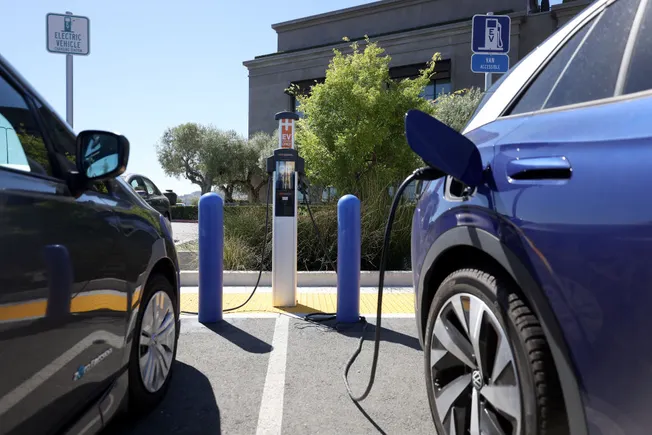
One innovative solution is to harness existing battery storage linked to the grid. For example, Michigan currently has about 100,000 electric vehicles (EVs) on the road. Each vehicle typically has a battery capacity of around 65 kWh, which totals about 6.5 GWh across the state.
By using bi-directional chargers, these EVs can supply power back to the grid when needed. If a large portion of Michigan’s EVs are connected to these chargers, a significant amount of energy could be made available, potentially acting as a virtual power plant (VPP).
Rather than spending billions on underused peaker plants, investing in affordable bi-directional chargers for these 100,000 EVs could yield approximately 1.15 GW of charging capacity for just $400 million, significantly less than traditional methods.
Alternatively, what if we built a new power resource using electric vehicles? The cost of an EV plus charger could equate to acquiring a large number of vehicles, which would provide additional energy storage. This strategy could empower citizens with clean and reliable transportation while contributing to grid energy needs.
The concept of VPPs is a workable solution to meet rising energy demands. This approach allows us to tap existing resources without incurring hefty costs associated with new power plants. Instead of burdening ratepayers with the necessity to maintain extensive infrastructure for utilities, we can harness already available assets like EVs, solar energy, and more, facilitating a smoother transition to a greener energy future.