

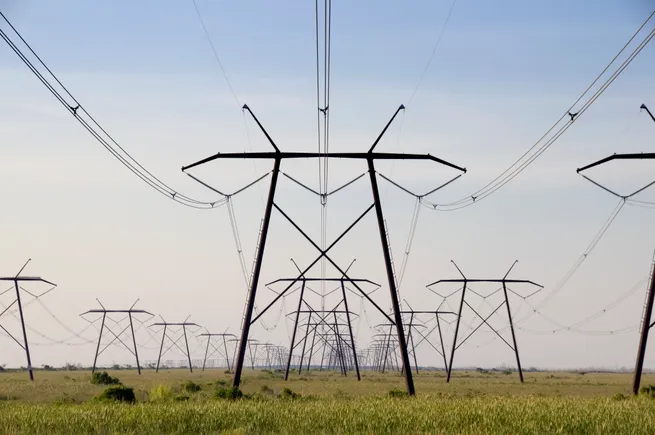
A lot can happen in just a few years, especially when it comes to our energy grid. With the current administration settling in, new challenges are emerging that could impact the reliability and affordability of our energy systems.
One significant change is the rise in electricity demand, fueled by advancements in artificial intelligence and a surge in domestic manufacturing. After years of steady demand, electricity use is projected to soar by 128 gigawatts over the next five years, a figure much larger than earlier estimates.
Our electric grid is crucial to the economy, national security, and global competitiveness. The nominees from President Trump’s administration recognize this necessity and have expressed their commitment to enhancing our energy infrastructure. During his confirmation, Energy Secretary nominee Chris Wright emphasized improving our transmission grid, acknowledging the need for expansion and new lines. Similarly, Interior Secretary Doug Burgum highlighted that without effective transmission capabilities, delivering energy where it’s most needed would pose significant challenges.
To compete globally, especially in the race against China in AI development, it’s essential to generate more energy and enhance our transmission capabilities. Expanding our transmission footprint is key to establishing American energy dominance.
In the global arena, competition for extensive transmission networks is heating up. China is currently constructing 80 times more high-voltage transmission lines than the U.S. In 2022 alone, China invested an astonishing $166 billion in their transmission grid, surpassing the combined investments of all other countries.
Strong domestic manufacturing relies on robust transmission infrastructure. Large-scale energy consumers require reliable and affordable energy supplies. By modernizing our transmission grid, we could unlock an estimated $7.8 trillion in investments, potentially creating over 6 million new jobs, primarily in rural areas.
Moreover, a well-structured transmission network is vital for national security. The U.S. Department of Defense holds critical missions at over 500 military facilities, with more than 99% depending on the commercial electricity grid. As we face increasing extreme weather and cyber threats, our national defenses require a steady and secure power supply.
The North American Electric Reliability Corporation’s recent review highlights the need for stronger interconnections between regions to ensure grid stability during stressful conditions. Their findings suggest that adding an extra 35 gigawatts of transfer capability—akin to about 35 nuclear plants—would significantly enhance energy reliability amidst severe weather events.
To facilitate these essential connections, Congress and the administration should revive the permitting reform package that lost momentum last year. This bipartisan effort could accelerate the deployment of critical energy infrastructure, such as much-needed high-voltage transmission lines.
Previous studies indicate that building new transmission lines could reduce household electricity expenses by over $300 annually based on current usage levels. This financial relief should motivate efforts to streamline federal approval processes for enhancing America’s power grid.
The growing demands from data centers and artificial intelligence are not going away. Americans deserve a dependable and affordable electricity supply. The expansion of transmission lines and the modernization of our grid are crucial steps toward ensuring lasting American energy leadership.