

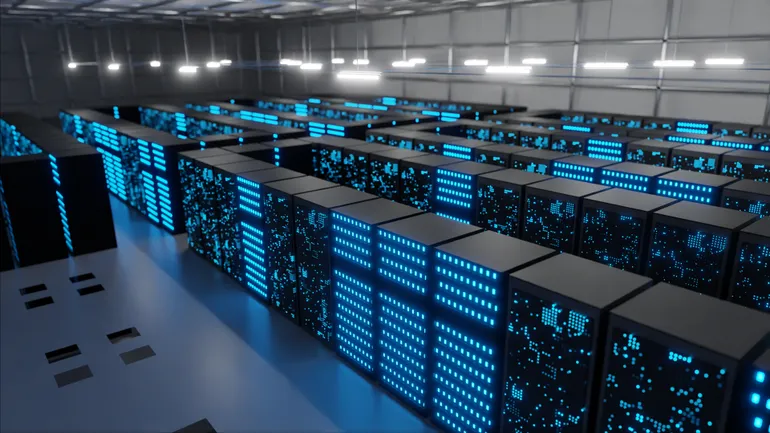
As electric utilities face an increasing electricity demand, they are exploring all available resources to meet the needs of their customers. During a discussion hosted by the U.S. Energy Association on January 15, experts emphasized that while there is a pressing need to develop dispatchable generation sources, additional investments in gas and nuclear energy will be crucial for addressing the soaring demand.
Experts attribute the rise in U.S. electricity consumption to a surge in data centers, manufacturing, and the broader shift toward electrification. After years of little to no growth, electricity demand is expected to increase by 9% by 2028 and 18% by 2033, averaging a 2% yearly increase from 2024 levels. Peak demand may rise by 5% over the next few years.
So, what actions must utilities take to keep up with this upcoming demand? Duane Highley, CEO of Tri-State Generation and Transmission Association, stated simply, “Build everything you can, as fast as you can.” He noted that supply chains for equipment like turbines are stretching longer, with delivery dates pushing into 2030 or 2031. He suggested that while building renewable energy sources is vital, incorporating some natural gas generation will be necessary to support the goal.
Karen Wayland, CEO of GridWise Alliance, emphasized the need to not only build new facilities but also upgrade the capacity of existing infrastructure. With significant load growth on the horizon, distribution utilities will require new and expanded transmission and generation capabilities, although these improvements will take time to implement.
Recent forecasts project that the electricity load could spike by 128 gigawatts within the next five years, propelled mainly by the growth in data centers and manufacturing, according to Grid Strategies.
In Portland, General Electric has set a target for 25% of its peak power to be derived from customers and distributed energy resources by 2030, as communicated by President and CEO Maria Pope. She also noted the need for enhanced generation capabilities, particularly highlighting the importance of both nuclear and natural gas resources.
With data generation reaching unprecedented levels, Pope highlighted that the world is set to store an astonishing 200 zettabytes of data by 2025, intensifying the challenge for utilities.
Throughout the coming years, the utility sector is expected to confront various risks and opportunities driven by artificial intelligence and data center expansions, as outlined by Bank of America Global Research. The Electric Power Research Institute (EPRI) anticipates that data centers will double their electricity needs by 2030, potentially consuming upwards of 9% of U.S. electricity generation.
Despite these challenges, stakeholders believe that the utility sector has the potential to meet rising demand. Pope noted that tech companies are actively working to enhance energy efficiency within their systems, while EPRI is exploring approaches for better managing peak loads to allow data centers to adapt more fluidly to system needs.
However, Jim Robb, president and CEO of the North American Electric Reliability Corporation, warned that the retirement of traditional power generation sources raises significant reliability concerns. He emphasized the importance of acting swiftly to bolster resource adequacy and to address the needs of data centers, which he considers vital to national security.
Robb urged that the electric sector must prioritize building new generation capacity and long-distance transmission lines, recognizing that these projects require time to develop. “We’ve got to start working on this problem yesterday,” he concluded.