

A recent report from the Department of Energy highlights that roughly 90% of a decommissioned wind turbine is made from recyclable materials like steel and concrete, backed by established recycling systems. However, the remaining 10% poses challenges, necessitating innovative recycling strategies.
According to the report, the components most feasible for recycling include towers, foundations, and steel-based parts in drivetrains. In contrast, items like blades and generators are more complex to recycle. The recovery of essential materials such as nickel, cobalt, and zinc found in generators and power electronics will be vital to foster a circular economy in the wind energy sector.
To enhance the recyclability of wind turbine components, the report recommends the following measures:
- Improving decommissioning processes and scrap sorting practices.
- Strategically locating recycling facilities.
- Expanding and enhancing infrastructure for recovery and recycling.
- Replacing challenging materials with more easily handled options, and innovating component design and manufacturing.
- Optimizing the properties of recovered materials for secondary use.
- Ensuring better access to wind energy waste and the tools for dismantling wind energy apparatus.
This study was carried out by a team led by the National Renewable Energy Laboratory, in collaboration with Oak Ridge National Laboratory and Sandia National Laboratories, as part of efforts to advance the Department of Energy’s Wind Energy Recycling Research and demonstration initiatives.
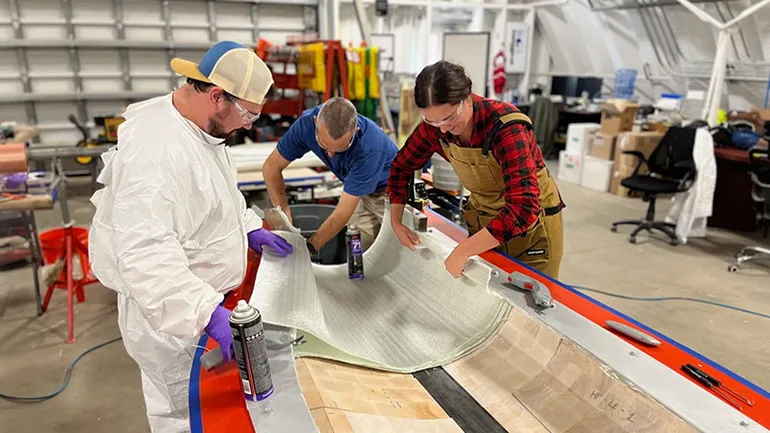
A long-standing barrier to achieving a circular economy in wind energy has been the recycling of turbine blades, largely due to epoxy resins that are hard to break down and reuse. Encouragingly, researchers at NREL presented initial positive results for a prototype blade created with plant-based resin this year.
The Department of Energy also mentioned some immediate strategies for decommissioning, including the adoption of thermoplastic resins for blade production and reusing these materials in cement production.
Short- and long-term solutions for blade recycling could involve thermoplastic-based technologies, such as pyrolysis and chemical dissolution, along with techniques aimed at efficiently separating compounds in power electronics and methods for recycling permanent magnets.
Looking further into the future, researchers suggest incorporating bio-based fibers and resins into blades, with deployment aimed for 2035 and beyond. The report notes that by 2040, wind energy systems may account for up to 30% of the U.S.’s recycling capacity for copper and aluminum, underscoring the importance of expanding the nation’s recycling infrastructure for these materials.