


Hello from Alaska!
The utilities sector is known for its significant hazards, including risks from electricity and natural gas, working at heights, and dealing with extreme weather. Despite these dangers, the sector has seen continuous improvements in safety over the past ten years. Recent data from the U.S. Bureau of Labor Statistics shows a 15% decrease in nonfatal occupational injuries in the utilities industry, dropping from an incident rate of 2.1 in 2013 to 1.8 in 2023. This rate remains below the average of 3.0 for all industries. While this trend is promising, there’s still much work to be done to further lessen risks and strive for a “zero incidents” goal in health, safety, and environmental (HSE) standards across utility companies.
The Importance of Root Cause Analysis
With two decades of experience in the energy industry, I’ve learned that understanding the root causes of incidents is crucial. Root Cause Analysis (RCA) is an essential method that helps organizations delve into safety incidents and recurring issues. It identifies the fundamental problems rather than just addressing symptoms. Techniques like the “5 Whys” or Fishbone diagrams can help utilities uncover systemic weaknesses and implement changes that enhance safety and operation efficiency.
It’s also embedded in my belief that every incident is preventable, a notion shared by many leaders in this industry. A useful formula to help categorize root causes and develop preventative strategies along the journey to zero incidents can be stated succinctly.
Information + Human Action = Business Outcomes
All businesses aim for positive outcomes. In the utilities sector, enhancing safety and reducing risks are key objectives. Business outcomes emerge from two essential elements: accurate information and effective human action.
However, not all information or actions lead to valuable results. What was once seen as effective work may now be outdated. The ideal use of human effort is to engage in tasks that machines may not handle as effectively or safely. Conversely, machines excel at repetitive tasks where human error is more likely. The most effective information drives productivity, minimizes errors, and reduces risks. Thus, proper management is vital for all three components: information, human action, and business outcomes.
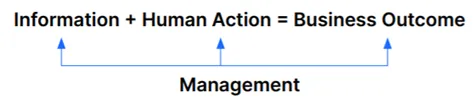
Permission granted by OpenText
If an incident occurs and RCA is conducted, failures related to managing human actions might include issues like poor task prioritization, not following procedures, lack of training, ineffective communication, and fatigue, among others.
On the other hand, when examining failures in information management, examples might include outdated safety protocols, incorrect asset documentation, lack of visibility in spare parts status, insufficient predictive maintenance insights, and poorly shared emergency response information.
Generative AI’s Role in Achieving Zero Incidents
Generative AI provides quick access to information and is closely related to information management. Effective AI relies on well-managed information because organized and secured data leads to better and more reliable outputs. Using innovative AI solutions, such as an intelligent content assistant, can support the journey to zero incidents. These tools enable easy access to vital knowledge, improving safety through accessible safety procedures, emergency plans, and operational guidelines. This kind of trusted information is essential for enhancing safety performance.
About the Author, Phil Schwarz
Phil Schwarz is a Senior Industry Strategist for Energy & Resources at OpenText. With over 25 years of experience, he is a trusted subject matter expert. His background includes working with operators, service providers, and other stakeholders in the industry. Phil holds several advanced degrees, including an MBA and MS in Economics, and he enjoys hiking in the beautiful outdoors of Alaska.