

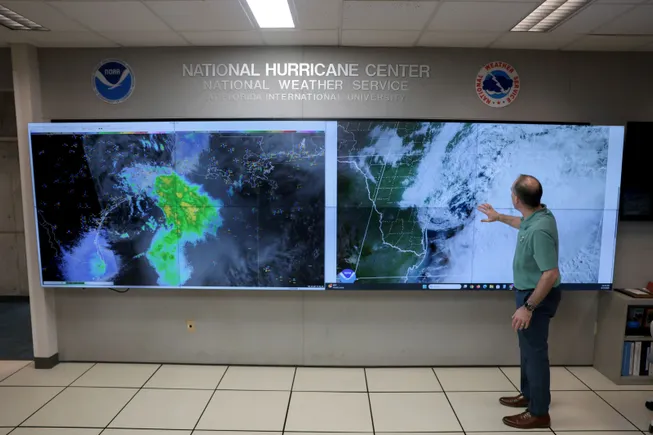
Weather Patterns Shifting Due to El Niño
El Niño has formed in the Pacific Ocean, potentially changing weather patterns across the United States, which may complicate forecasting for electric utilities, according to meteorologists at AccuWeather. The National Oceanic and Atmospheric Administration (NOAA) confirmed this development on June 11.
Experts believe that while this El Niño could help utilities prepare for a busy hurricane season, it may introduce risks to operations in other areas. The last El Niño lasted from 2023 into 2024, and this new one appears to be intensifying quickly, impacting weather across the U.S.
Weather Forecasts and Regional Impacts
This summer, varying weather conditions are expected across the country. AccuWeather predicts heavier rainfall for parts of California and the Southwest, while hotter and drier conditions could affect the Northwest, Northern Plains, and Upper Midwest. In Florida, residents may face above-normal temperatures and below-average rainfall, complicating load management efforts for utilities. Such shifts could lead to flooding, debris flow, droughts, and even wildfires, raising concerns about possible grid disruptions extending into late fall.
AccuWeather forecasts 11 to 16 named storms in the Atlantic, fewer than what has been seen in previous La Niña seasons. However, a quieter season doesn’t mean there’s less risk. Storms developing near the coast during El Niño years can be particularly dangerous due to limited preparation time, as emphasized by Lead Hurricane Expert Alex DaSilva.
Utility Coordination and Preparations
In light of these challenges, the Edison Electric Institute suggests that utilities collaborate with industry and government partners on preparedness efforts to ensure reliability and quick restoration of services after storms. The group draws attention to the importance of pre-positioning crews and supplies ahead of major storms, which is crucial since severe weather has caused about 80% of power outages over the last two decades.
Looking ahead, AccuWeather warns of ongoing drought risks from Texas to North Dakota, even after the peak of El Niño. This raises long-term concerns about resource adequacy and planning for systems.
Looking at the Future
Meteorologists predict a 40% chance that this El Niño could evolve into a rare “Super El Niño,” potentially affecting weather up until 2027. As the weather risks grow more complicated, utilities are investing in distributed energy resources like microgrids and energy storage to enhance recovery efforts. However, these technologies are not immune to extreme weather.
Utilities are also increasing budgets for preventive measures, such as Florida Power & Light’s substantial Storm Protection Plan, which aims to reinforce infrastructure against natural disasters. This ongoing investment is essential to mitigate risks and limit the impact of severe weather on communities.
As extreme weather events continue to escalate, the conversation around federal forecasting capacity is becoming critical. Recent proposals to cut NOAA funding could weaken weather forecasting at a time when the need for accurate predictions is greater than ever. Critics warn that reducing resources will hinder our ability to protect lives and property amid increasingly severe weather patterns.