

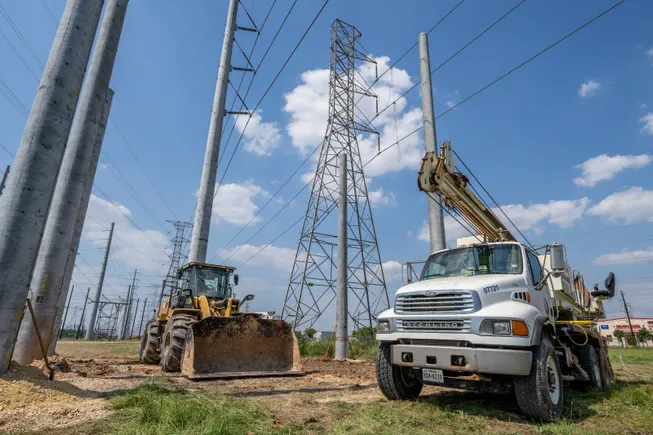
Grid reliability is fundamentally rooted in effective planning and solid engineering. However, a growing issue is that key equipment is taking significantly longer to arrive. Even when a project is fully designed and all systems are go, delays can still occur in the timeline.
These delays often happen at critical moments when crews are ready to proceed, pending construction tasks are queued, and essential equipment like transformers or switchgear is yet to be delivered. As a result, procurement is increasingly critical for determining whether projects progress smoothly or face setbacks when timeliness is vital.
Utilities are feeling this pressure in various projects, whether they’re updating old systems, preparing for increased energy demand, or addressing the needs brought by new data centers. Each addition to the grid necessitates upgrades that rely on the same limited types of equipment. Lead times for medium-voltage gear and transformers are significantly longer than what was considered standard just a few years ago, directly impacting schedules.
While interconnection delays are often associated with studies or permitting, these aren’t the sole issues at play. It’s common for projects to reach a stage where design is finalized, only to hit a standstill while waiting for equipment. Sometimes, even smaller components can cause significant holdups, leading to work stoppages that complicate the overall timeline, making recovery difficult.
To avoid such delays, timely procurement decisions are essential to keep the construction process flowing. If procurement lags, unforeseen delays often arise when labor resources are already assigned, resulting in a costly wastage of time.
Utilities are consistently challenged to uphold reliability without incurring excessive costs, and long lead times can complicate that balance. When crucial equipment arrives late, the financial ramifications extend beyond the initial purchase. Crews may have to wait, work might need to be reorganized, or shipping expedited. By the time a project nears completion, redesigning is rarely feasible due to previously approved plans.
This highlights the importance of predictability alongside cost. A cheaper option may ultimately cost more if it risks delays tied to idle labor or additional project expenses. Thus, evaluating lead times and potential labor exposure is as vital as considering purchase prices in decision-making.
From a utility standpoint, any disruption can lead to budget woes. Keeping reliability projects within budget becomes increasingly challenging when delays occur due to missing equipment.
A noticeable change in the market is the earlier timing of long-lead purchases. Pre-pandemic, the responsibility for ordering equipment was often assigned later in the project lifecycle. As lead times have lengthened, developers and contractors have started placing orders sooner, mitigating the risk of lengthy delays. This shift indicates that procurement should no longer be an afterthought once engineering is finished.
The same principle applies to reliability planning. Projects flow better when engineering, procurement, and construction phases are interconnected early. Flexibility in sourcing also plays a role; exploring various suppliers beyond major manufacturers can sometimes shorten lead times without compromising quality, expanding options available for projects.
Standardization can further aid efficiency. When specs allow for consistent configurations, forecasting becomes simpler, enabling earlier orders. While this won’t eliminate all delays, it can help minimize unnecessary schedule pressures.
Equipment Availability Drives Reliability Initiatives
These insights reinforce the necessity of strong engineering. However, project plans must remain realistic regarding the availability of supplies, as conditions are unlikely to improve soon.
The market is witnessing a surge in demand for grid equipment fueled by utility enhancements, data center growth, new energy generation, and broader infrastructure initiatives. Consequently, outdated assumptions about equipment availability no longer apply.
The key takeaway is clear: reliability programs, interconnection timelines, and project budgets become increasingly vulnerable when equipment strategy is deferred until later in the process. Protecting these elements is much more feasible when availability is considered early, allowing for necessary adjustments to the plan.
This shift reflects a pivotal change in the market—procurement is now integral to grid reliability work, playing a vital role in the successful execution of projects.