

Dive Brief:
Tesla has reported a significant boost in its energy storage business, reaching record installations in the fourth quarter of 2025. As electric vehicle (EV) sales slowed, Tesla’s energy storage systems were in high demand, increasing their deployments significantly. Meanwhile, South Korean battery manufacturers LG Energy Solution and Samsung SDI also noted strong demand for their energy storage products and expect this trend to continue into 2026.
Dive Insight:
In the fourth quarter of 2025, Tesla deployed 14.2 GWh of energy storage, totaling 46.7 GWh for the entire year, marking a 29% increase for the quarter and a 49% increase for the year compared to 2024. On the other hand, Tesla’s vehicle sales witnessed a 16% decline in the same period, with overall EV sales in North America dropping sharply due to the expiration of U.S. tax credits for consumer EV purchases.
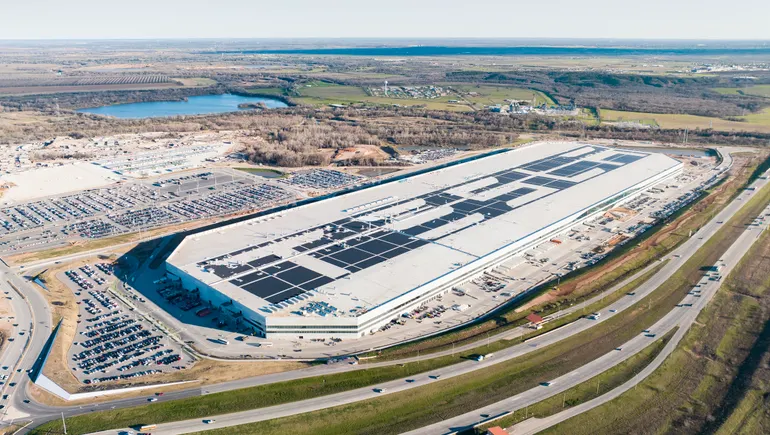
Despite these challenges, Tesla’s energy sector has been thriving, with record profit margins over the last five quarters. Demand remains high across various product lines, including their Powerwall home batteries and Megapack systems. Tesla is set to launch a new plant near Houston this year to produce up to 50 GWh of additional Megapack systems annually, supplementing their existing production capacity.
Tesla CEO Elon Musk has expressed confidence in the future of energy storage, indicating that the company will continue to invest heavily in this area. However, he also noted potential slowdowns in solar deployment due to new regulations and expiring tax credits. Musk believes that combining solar energy with battery storage presents an essential opportunity for expanding energy capabilities.
Moving Forward
Both LG Energy Solution and Samsung SDI expect strong growth in energy storage production, outpacing that of EVs by a significant margin. LG anticipates 90 GWh in stationary storage orders and aims for over 60 GWh of production capacity in the near future, primarily driven by long-term contracts with utilities.
The energy storage market is poised to constitute a substantial portion of North America’s battery demand, influenced by tech investments in data centers and supportive clean energy policies.