

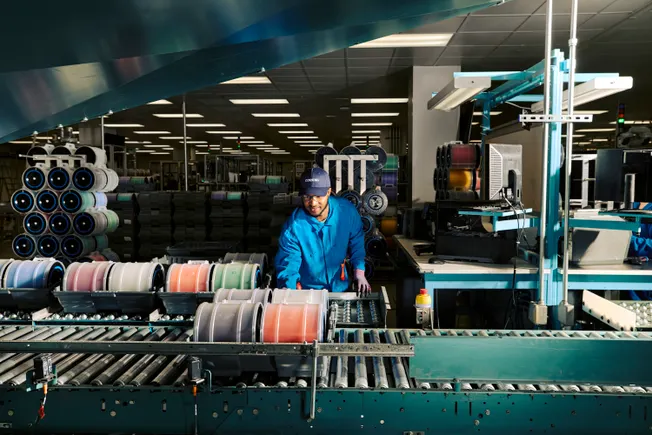
The transition to clean energy is often talked about in terms of goals and frameworks. However, its real success will come from factories, industrial areas, and communities that still produce goods. Manufacturing is as crucial to society as schools and roads, providing jobs and supporting local services, which help keep families and neighborhoods stable.
Even though the U.S. has lost a significant number of manufacturing jobs, from around 20 million to 13 million, the sector still plays a crucial role in innovation and exports. Its focus is shifting toward sectors like electrification, advanced materials, and energy-efficient technologies. Regions with a strong manufacturing identity, such as New York, Pittsburgh, Los Angeles, and the Great Lakes, are set to lead this change due to their existing expertise and adaptable supply chains.
Without a strong local manufacturing base, the clean energy transition may falter and become a distant reality rather than a vehicle for job creation and economic growth. Regions that see manufacturing as essential to civic life and align it with clean energy initiatives will foster America’s next industrial boom.
New York as a Model
In New York, the relationship between climate action and industrial capabilities is evident. Over the last decade, New York City and the state have laid down a framework for climate-focused manufacturing, showcasing how past industrial strategies can contribute to a sustainable future.
New York’s manufacturing sector benefits from sound industrial policies, strategic infrastructure investments, and collaboration across various sectors. The city’s comprehensive action plans and state-issued innovation programs have made clear that industry and environmental goals are fundamental to the state’s economic health.
The city’s industrial zones, such as the Brooklyn Navy Yard and Army Terminal, are havens for innovative manufacturing, developing technologies aimed at climate resilience. Programs like Futureworks NYC and Scale For ClimateTech have transformed the manufacturing landscape, assisting over 100 companies and generating hundreds of jobs while securing substantial funding.
Moving forward, the new city administration must commit to maintaining industrial space while meeting housing demands and enhance support for startup manufacturing initiatives, ensuring that programs for entrepreneurs continue to flourish.
Pittsburgh: Legacy Infrastructure as a Launchpad
In Pittsburgh, clean energy jobs are growing significantly, outpacing the state average. The area is leveraging its rich industrial history as a foundation for clean energy innovation, supported by institutions like Carnegie Mellon.
Recent investments signal growth, but Pittsburgh needs to enhance coordination among its ecosystem to ensure ongoing expansion. By establishing stronger entrepreneurial networks and support systems, Pittsburgh can realize its full potential as a leader in the clean energy sector.
Los Angeles: Innovation Meets Scale
Los Angeles has shifted from being the largest manufacturing hub to a key player in the advanced materials sector. With numerous engineering graduates each year, the city is channeling its talents toward sustainable efforts. However, challenges like natural disasters and a competitive real estate market require urgent responses to foster a robust clean energy economy.
For L.A. to solidify its position as a climate manufacturing center, it should enhance existing innovation programs, develop manufacturing-specific startup initiatives, and create a unified plan involving key local stakeholders.
The Great Lakes: From Battery Belt to Unified Strategy
The Great Lakes region, previously the backbone of American manufacturing, is emerging as a major player in the electric vehicle and advanced technology sectors. Despite its potential, a lack of cohesion among states has hindered growth.
To compete effectively, the region needs a unified strategy with shared objectives to promote clean energy industrial development. This collaborative approach could transition competition into sustainable economic progress.
Toward a Climate Manufacturing Commons
When industries leave, cities suffer economically. Regions like New York, Pittsburgh, Los Angeles, and the Great Lakes are building robust ecosystems focused on manufacturing and climate goals.
By aligning shared aspirations, these fragmented efforts could evolve into a national movement aimed at fostering a “Climate Manufacturing Commons.” This initiative would facilitate the flow of ideas, talent, and production while driving both industrial growth and climate solutions. The path forward involves collaborative strategies, supportive funding for manufacturing initiatives, and modernizing essential infrastructure to protect critical manufacturing zones. These efforts show that rebuilding industry and tackling climate challenges can go hand in hand.