

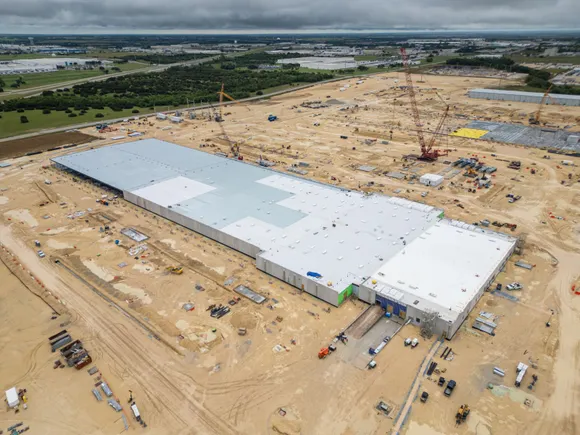
Texas is on track to cut power to data centers during grid emergencies, highlighting how strained the state’s electrical infrastructure has become. Over the Fourth of July, devastating floods hit central Texas, leading to major outages and infrastructure damage.
The Electric Reliability Council of Texas (ERCOT) has experienced multiple spikes in energy prices and conservation alerts—not due to a lack of electricity, but because power couldn’t be effectively distributed. This problem is escalating nationwide. Recently, the U.S. Department of Energy warned that the risk of blackouts could rise 100-fold by 2030.
These issues reveal a much deeper vulnerability: the current grid still operates on outdated tools and principles from a time with fewer storms and less electrical demand. As conditions in Texas become more extreme, there’s a pressing need for smarter, more adaptive grid operations. While long-term investments in infrastructure are essential, they won’t help manage the immediate pressures expected over the next few summers.
Progress and Challenges
Texas has successfully increased its energy production, particularly in solar, storage, and wind power. However, the transmission systems that deliver this power remain unchanged. The operational methods in place haven’t evolved to keep up with increasing demand from industrial growth and data centers. ERCOT projects that power demand in Texas may nearly double by 2030.
Across the U.S., other regions are also feeling the strain:
- The Midcontinent Independent System Operator is set to invest $22 billion in new transmission systems to alleviate congestion.
- California faced a nearly 30% surge in renewable energy curtailments last year.
- PJM Interconnection anticipates a 3% to 4% annual peak load growth driven primarily by data centers over the next 15 years.
- Nationally, energy demand is expected to rise about 16% in the next five years.
This trend puts even more pressure on an already congested transmission system that is managed with outdated assumptions regarding heat, wind, and demand—assumptions that no longer hold true.
Embracing Operational Intelligence
Utilities globally are adopting innovative strategies that don’t rely on waiting for years to build new lines. For example, in Europe, software-based tools like dynamic line ratings and hyperlocal weather forecasting allow for increased power flow through existing infrastructure without the need for new hardware. This means taking advantage of available data, like satellite information and weather station readings, to optimize grid performance.
I have worked with national grid operators in countries like Estonia and Finland, applying these techniques across thousands of miles of transmission lines. This approach has resulted in up to 40% more capacity on lines that were previously seen as maxed out.
For instance, a mild breeze can significantly cool power lines, increasing their capacity. Unfortunately, grid operators often rely on conservative weather forecasts, which leads to missed opportunities for optimizing power flow.
A Call for More Solutions
While demand-side management is vital, relying on it alone isn’t sustainable. We shouldn’t have to shut down essential services like data centers just to cope with hot summer days. By improving visibility into grid conditions and predicting congestion earlier, we can better manage power without resorting to drastic measures like load shedding.
Cutting off power to data centers should be a last resort, not a standard practice. While continuing to invest in new power lines and generation is important, that infrastructure won’t be ready in time for the anticipated surge in electricity demand.
Our focus should now be on using smart operational intelligence. This strategy can minimize interruptions, alleviate congestion, and reduce costs for consumers.
What happens next in Texas could serve as a guiding example for the rest of the nation as it prepares for similar challenges ahead.