

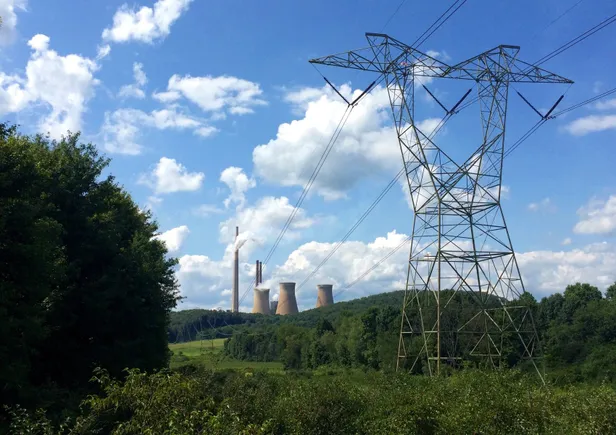
Homer City Redevelopment (HCR) and Kiewit Power Constructors are set to construct a large-scale gas-fired power generation facility in Pennsylvania. This development aims to support a new data center campus and could generate up to 4.5 GW of energy. The announcement came on Wednesday.
The ambitious $10 billion project will take place on the grounds of the former 1,884-MW coal-fired Homer City power plant, which was closed in mid-2023. The site, covering 3,200 acres and located approximately 50 miles east of Pittsburgh, is already linked to the PJM Interconnection and New York Independent System Operator grids, connecting with FirstEnergy Pennsylvania Electric’s system.
GE Vernova is expected to provide seven hydrogen-enabled, gas-fired turbines for the Homer City Energy Campus, with initial deliveries slated for 2026. The power facility is anticipated to start generating electricity by 2027.
According to Kiewit, this plant will become the largest gas-fired power facility in the United States. HCR and Kiewit note that greenhouse gas emissions from this new plant will be about 60% lower per MWh compared to the old coal-fired operation.
Fuel for the power plant will be supplied via the Texas Eastern gas pipeline system. HCR has secured a $5 million state grant to assist in constructing a necessary interconnection between the power station and the pipeline, located roughly five miles away.
The new power facility is also expected to provide electricity to thousands of homes in the local area, according to the companies involved in the project.
The initiative is backed by Knighthead Capital Management, a private equity firm based in New York City. As of mid-September, Knighthead held about 75% ownership of Homer City Holdings, which owns the Homer City power plant, with GoldenTree Asset Management holding an additional 12%.
HCR did not respond to requests for further details about the project.
This development coincides with the Federal Energy Regulatory Commission’s efforts to establish policies for colocating data centers at power plants in the PJM region. Analysts predict that the FERC may approve new colocation rules by the end of the year.
As power needs from AI computing continue to rise, data centers are projected to consume between 6.7% and 12% of all electricity in the U.S. by 2028, increasing from approximately 4.4% in 2023, as reported by the U.S. Department of Energy. Total electricity usage by data centers could jump from 176 TWh in 2023 to between 325 TWh and 580 TWh by 2028, reflecting a substantial demand for power in the upcoming years.