

Dive Brief:
- A review of large-scale battery energy storage system fires in the U.S. since 2012 found that none of the incidents caused harmful levels of contaminants that would endanger public health, as reported by the American Clean Power Association (ACP) on Friday.
- Alongside this review, the ACP also introduced a safety blueprint for battery energy storage systems. This guide suggests that operators should follow the latest national fire safety standards, inspect older systems, and develop emergency response plans in collaboration with local authorities.
- “Every community should feel confident that the battery storage facilities providing power and keeping utility costs down are built to strict safety standards,” said Noah Roberts, ACP’s Vice President of Energy Storage.
Dive Insight:
This fire safety review, conducted by the Fire & Risk Alliance for ACP, looked into 35 recorded battery energy storage system fires, including significant incidents in New York and Idaho earlier this year that severely damaged the battery arrays.
The review indicated that air emissions from such fires are generally restricted to the area immediately around the fire, with levels quickly decreasing in open-air environments. Follow-up monitoring of battery fires in California and New York revealed “no detectable hazardous levels” of dangerous chemicals, allowing local authorities to lift safety orders.
Concerns about potential soil and water contamination from firefighting efforts were addressed, with data showing no evidence of widespread contamination risks. The best approach for handling lithium-ion battery fires, according to the review, is to let the batteries burn out while applying water only when necessary, in alignment with proper stormwater management practices to minimize contaminant runoff.
Common patterns were noted in the historical fires investigated. Many of these incidents involved outdated systems that were installed before modern safety laws and lacked rigorous testing or safety features. The review found that nearly half of the incidents occurred within the first six months of the systems’ operation. About 69% of the incidents were recorded during normal operation, while 17% happened during assembly or testing.
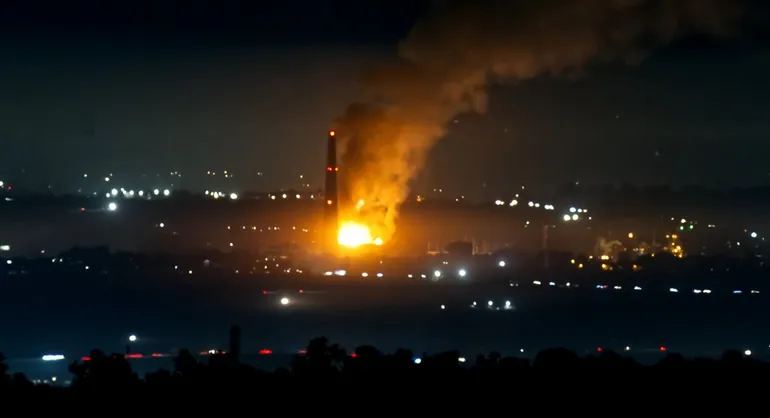
The review did not analyze the January fire at a large battery storage facility in Moss Landing, California, as that investigation is still in progress. Authorities have indicated that post-incident air quality tests show no serious public health risks, although some nearby residents have reported unexplained symptoms since the event.
“We acknowledge the concerns from residents regarding safety and health after this incident,” said ACP spokesperson Phil Sgro. “This situation is unprecedented, and we don’t expect to see anything like it again in the future.”
The proposed safety measures aim to prevent future incidents like the one in Moss Landing and enhance the safety of all existing and future battery storage facilities. ACP has described the Moss Landing event as an “exception,” primarily due to its location in an old turbine hall from the 1950s.
Key recommendations include:
- Implementing the latest version of the National Fire Protection Association Standard 855, already adopted by at least six states, including New York, with others like California and Texas considering it.
- Inspecting facilities built before this standard was adopted, performing hazard analyses, evaluating fire barrier options, and creating emergency plans for all storage sites.
- Collaborating with local communities and fire officials to address specific safety concerns, enhance site and permit processes, and train personnel on battery energy storage safety.