

Key Updates:
- Renew Home is set to roll out its new “homes-first” virtual power plant features this summer, which will utilize over 3 GW of shiftable load that it manages, according to the company’s announcement on Monday.
- The new system will automatically integrate with energy providers’ time-of-use or demand rate plans and will gather feedback from households to enhance the experience for customers.
- Utilities and energy providers will have access to a digital portal to inform Renew Home of any price adjustments or grid strains that could benefit from load shifting, manage household participation in as little as five minutes, and review results from load events.
Analysis:
Renew Home was established in May following the merger of Google Nest Renew and OhmConnect, a home energy management provider. The company aims to increase its shiftable load from about 3 GW to 50 GW by the year 2030.
This increase would help meet the projected demand for 80 GW to 160 GW of virtual power plant capacity that the U.S. Department of Energy states is necessary to cover at least 10% of peak load by 2030.
Ben Brown, CEO of Renew Home, expressed that the recent report by the DOE is a call for immediate action as rising energy demands fueled by AI and electrification, alongside growing grid maintenance costs due to extreme weather, make it crucial to expand the grid’s capacity.
Brown noted that virtual power plants present the most efficient and cost-effective means of adding dispatchable power to the grid. He emphasized that these solutions are significantly cheaper compared to traditional gas peaker plants and new utility-scale batteries.
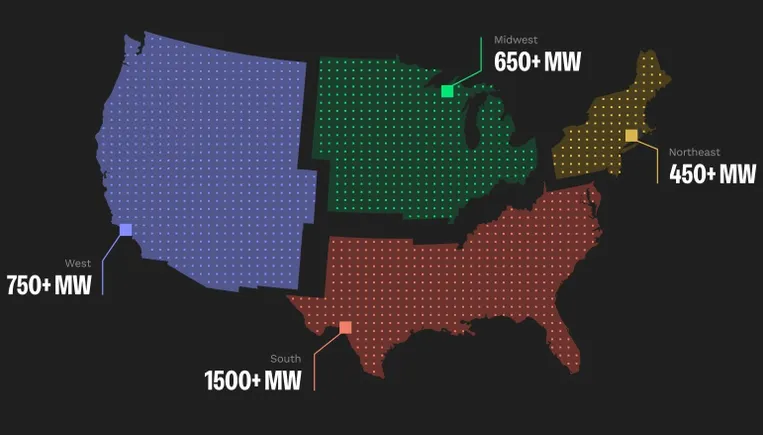
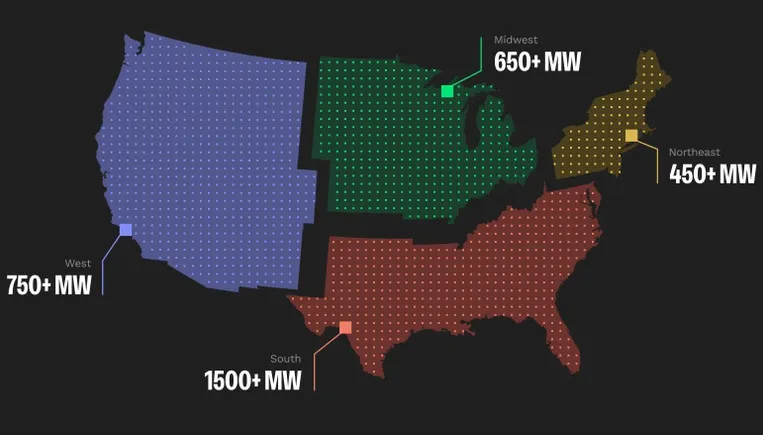
Currently, Renew Home collaborates with over 100 energy providers across the U.S., managing more than 450 MW in the Northeast, 650 MW in the Midwest, and over 1,500 MW in the South, including Texas.
By partnering with smart home device manufacturers like those producing thermostats and water heaters, Renew Home enables personalized load shifts based on various factors such as weather and household preferences, often so seamless that users hardly notice the changes.
Brown highlighted the importance of simplifying enrollment to boost user participation. He pointed out that higher participation leads to more reliable capacity, which assists energy providers in forecasting better.
Energy providers can begin leveraging Renew Home’s virtual power plant this summer, alongside the continuing support for the Rush Hour Rewards program, which has more than 1.5 million enrolled households.
According to Brown, the customer-focused model they adopted back when Nest Renew started is now becoming more common, shifting away from traditional utility control methods. He also noted that Renew Home is ahead in terms of regulatory compliance, demonstrating that it can establish a reliable resource before stringent regulations are fully implemented.