

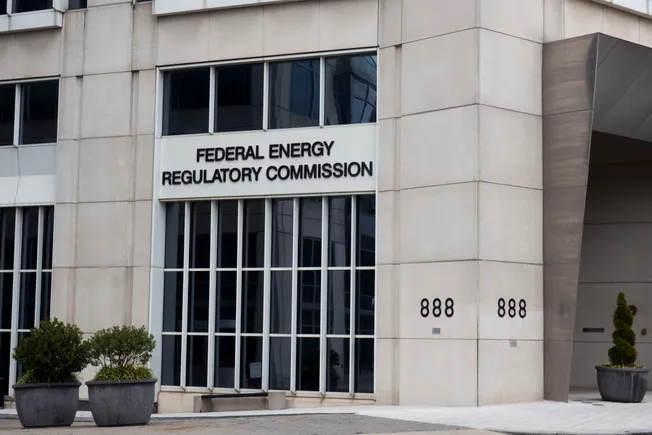
The Southwest Power Pool (SPP) is set to broaden its regional transmission operations into the Western Interconnection, expected to start as early as next year through its new RTO West plan, which received approval from the Federal Energy Regulatory Commission (FERC) on Thursday.
FERC Commissioner Willie Phillips expressed that this initiative is anticipated to boost grid reliability and streamline operations by unifying transmission management under a single organization. He noted, “This proposal will likely enhance grid reliability and operational efficiency.”
Commissioner Judy Chang emphasized that the go-ahead for the RTO West plan marks a significant step in the evolution of the Western U.S. energy market. However, both Chang and Phillips acknowledged the need for further work, particularly concerning the management of interactions between market and nonmarket areas.
Phillips highlighted the need to tackle several “seams issues” in the near future, including aspects like data sharing, congestion management, market power mitigation, and optimizing interconnections to ensure maximum benefits for consumers.
In its ruling, FERC indicated that it was premature to resolve these seams issues, which had been brought up by various stakeholders including the Colorado Public Utilities Commission and local energy companies.
Several entities are looking to join or participate in SPP’s markets, such as Basin Electric Power Cooperative, Colorado Springs Utilities, Deseret Generation and Transmission Cooperative, among others.
Tri-State CEO Duane Highley expressed that they value the comprehensive advantages of the SPP RTO, including day-ahead and ancillary services markets, efficient regional transmission planning, and a collaborative governance model, all aimed at lowering costs for Western members.
SPP is in discussions with additional Western utilities that are considering joining the RTO after its initial expansion is complete. The grid operator, which manages the grid and wholesale power markets from northern Texas to Montana, plans to launch RTO West on April 1, 2026.
Moreover, SPP’s efforts are complemented by the approval from FERC in January for its Markets+ real-time and day-ahead market for the West, intended for rollout in 2027.
In other updates from the FERC meeting, Chairman Mark Christie mentioned that there have been no directives from the Trump administration to support coal-fired power plants. The department remains independent in its operations, focusing on efficient grid reliability.
FERC is also exploring possible reorganizations to improve its efficiency, particularly in the area of natural gas infrastructure permitting, aiming to expedite project developments. Commissioner David Rosner remarked on the importance of interconnection automation in speeding up the integration of power supplies and connecting essential energy resources to the grid.
The capacity in U.S. interconnection queues has seen a slight decline, with new active project capacities rising mainly from hybrid storage projects and natural gas developments. Last year, the country added significant capacity in renewable energy sources while retiring some coal and gas resources.
As electricity needs continue to increase, driven by varying climate conditions across regions, the natural gas prices have shown a decline due to heightened storage levels. Various regions are experiencing different wholesale power price trends: the Southeast and Southern California have lower averages compared to the Northwest.