

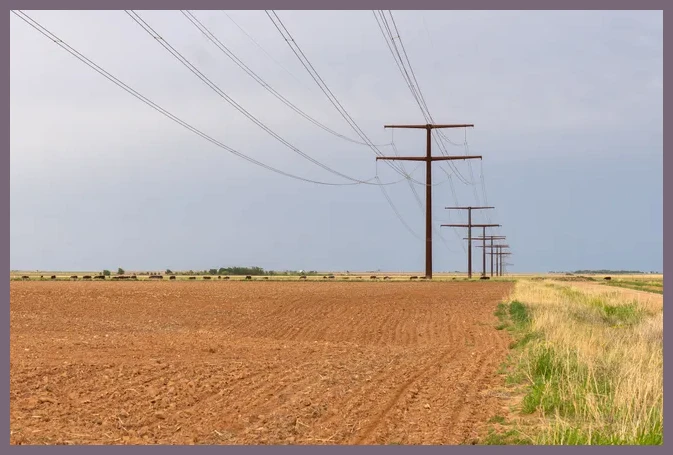
The Federal Energy Regulatory Commission (FERC) has approved significant changes proposed by the Midcontinent Independent System Operator (MISO) and the Southwest Power Pool (SPP). This approval paves the way for $1.8 billion in new transmission projects, which are expected to enable around 29 gigawatts (GW) of new generation capacity along the northern seam of these grid operators.
These developments stem from the Joint Targeted Interconnection Queue (JTIQ) process, which identified five important 345-kilovolt transmission projects located in areas abundant in renewable energy resources. MISO anticipates that these projects will start becoming operational in 2031.
Recently, the Department of Energy allocated $464 million to the JTIQ projects, with utility companies contributing an additional $1.3 billion.
The JTIQ framework is designed to streamline interconnection processes for generators and enhance network upgrades. This should bring greater clarity regarding costs and timelines for transmission projects, as highlighted in MISO’s 2024 transmission expansion plan, which is up for a vote soon.
Support for the proposals came from various organizations, including the Organization of MISO States, the WIRES Group, and public interest groups such as the Sierra Club.
In its recent ruling, FERC decided that the initial costs of the JTIQ transmission projects would be borne entirely by the customers seeking interconnection. This decision included a cautious dismissal of claims from clean energy advocates that costs should be more evenly spread. FERC maintained that those who connect to the grid should be responsible for funding, given that they will primarily benefit from the projects.
Commissioner Mark Christie noted that the fundamental aim of these projects is to offer more interconnection options to generation developers, particularly those in wind and solar. Thus, it seems fair that these developers pay for the projects as main beneficiaries.
FERC also determined that existing transmission owners should undertake the construction of these projects, with funding provided upfront so they can earn a reasonable return over the next 20 years. It emphasized that having the customers provide initial funding isn’t feasible as they might not be identified when construction begins.
The commission chose not to impose cost caps on these projects, citing existing processes to ensure that the costs are just and reasonable.
It’s also worth mentioning that Commissioner Judy Chang did not participate in the decision, indicating she may have faced a conflict of interest during the deliberations.