

PJM Interconnection has announced that over 800 new generating projects, totaling a massive 220 gigawatts (GW), have entered its reformed interconnection queue. This update comes as part of PJM’s efforts to streamline processes and reduce wait times for energy project approvals.
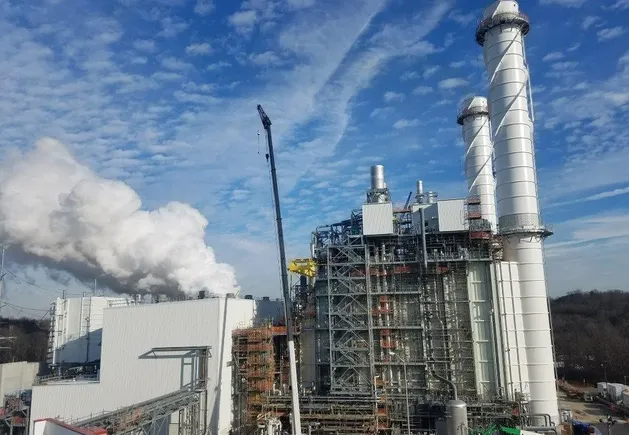
Among the new projects, there are various types of energy sources: 106 GW from gas-fired generation, 67 GW dedicated to storage, 18 GW of nuclear energy, 15 GW of solar power, and a few hybrid setups blending solar and storage, along with 5 GW of wind energy.
PJM’s new procedure aims to finish reviews for these projects within one to two years, depending on specifics, utilizing an AI tool provided by Google to enhance efficiency in the application evaluation process.
Back in 2022, PJM had closed its interconnection queue to address a significant backlog of projects. They have since implemented a new cluster-study approach to impose stricter standards, reducing the number of speculative projects that are unlikely to move forward.
Maria Scheller, vice president of ICF International, noted that this updated queue would be smaller and more rigorous, thus allowing for a clearer indication of feasible projects regarding location and costs.
This announcement was positively received by a clean energy trade group, emphasizing the importance of the reopening for the industry and expressing hopes for faster project assessments moving forward.
However, PJM also cautioned that signing an interconnection agreement doesn’t guarantee project completion. Since 2020, over 100 GW of agreements have been made, but many are facing delays due to issues like state approvals and supply chain challenges.
PJM is actively collaborating with both public and private sector stakeholders to ensure that projects proceed once they navigate the PJM process and to effectively integrate new data centers as energy resources are developed.